
Starting a retail or institutional trading firm needs more than just a website and a server. A good Forex Brokerage Business Plan works like a roadmap. It brings together your target market, regulations, trading setup, liquidity, payment systems and budget into one cohesive strategy.
Whether you are launching a new company or growing an existing financial brand, getting these operational details sorted early can save you from expensive tech headaches and slowdowns.
Working with a unified infrastructure provider like L7 Prime makes this planning much easier. They bring together platform setup, institutional liquidity, cashier integrations, and back-office functions under one agreement. That means founders don’t have to juggle multiple vendors.
This guide will walk you through the plan’s main sections and explain how your choice between an A-book and B-book model shapes your entire strategy.
Core Components of a Forex Brokerage Business Plan
A strong business plan covers seven interconnected areas. Regulators, banks, and liquidity providers will check how well these pieces fit together before they will approve your firm.
Target Clients and Countries
Start by figuring out who your clients are and where they live. Every decision after this builds on that foundation. A brokerage aiming for experienced traders in one area, for example, will choose differently than one trying to reach new traders in many markets.
Say you’re focused on experienced day traders in Southeast Asia. You’ll need different account types, leverage options, and local payment methods than a firm serving wealth managers in Europe.
Write down your target client type, target countries, and what products you plan to offer. These three things form the basis for everything else in your plan.
Company Structure and Licensing
The jurisdictions you pick will shape your corporate structure and regulatory path. Some founders choose an offshore entity to serve international markets before going for onshore licenses, while others set up directly within a regulated hub.
Setting up the company is usually the faster part. L7 Prime can help with incorporation, which typically takes one week to ten days. Getting a license though, is a longer, less predictable process, depending on the chosen regulator and your application’s specifics.
Always get capital and fee figures straight from the regulator’s official website, and note when you checked them. Third-party info can quickly go out of date.
Please note: L7 Prime gives no legal advice and the regulator decides each application. No technology provider or corporate service can guarantee regulatory approval.
Trading Technology
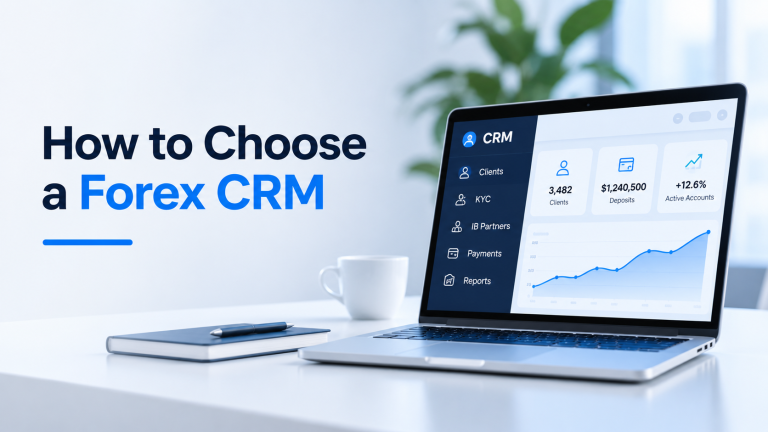
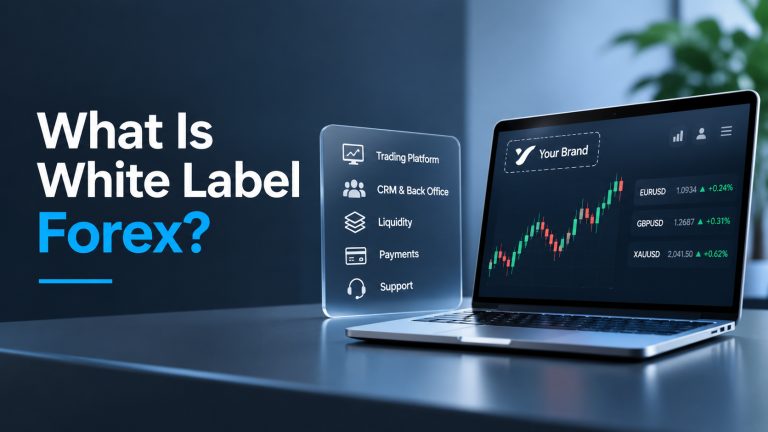
Your tech setup typically includes a trading platform, a client portal, a back-office system, and tools for risk management, reporting, and connecting with liquidity and payment providers. Picking your platform early is a smart move.
Clients launch more efficiently once they’ve established their branding and visual identity, figured out their core features (like copy trading or a prop trading module), and picked their platform. L7 Prime can help set up a brokerage operation in three to four weeks.
A modular white-label solution lets you pick just the components you need for your operational model, which saves you from standalone tool costs and custom API integrations. This approach becomes even more valuable as your trading volumes grow.
Liquidity and Execution Connectivity
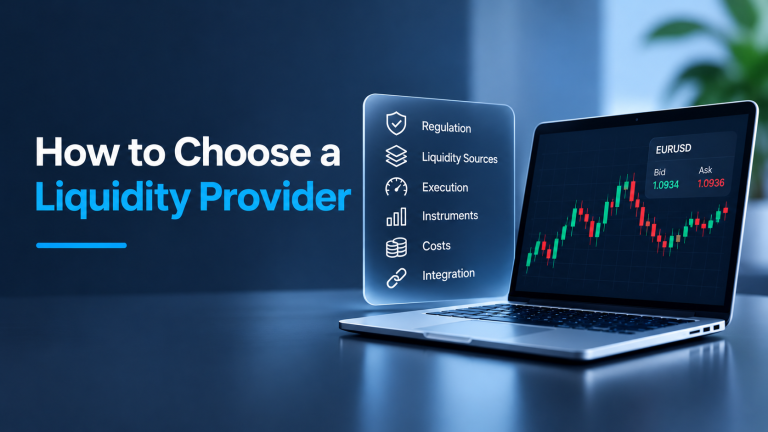
Liquidity directly affects your spreads, execution quality, and even your business model. With L7 Prime’s Solutions, brokerages can connect to institutional multi-asset liquidity through ATFX Connect using FIX API or trading server bridges.
Your business plan should detail your margin requirements with your liquidity provider, server hosting locations and backup routing protocols.
Payments and Cashier Infrastructure
Traders expect efficient, familiar ways to deposit and withdraw funds. Your cashier system needs to connect directly with card processors, bank transfers, e-wallets, and regional payment service providers (PSPs). This ensures client balances stay accurate within your CRM.
You’ll want to document your anticipated processing fees, rolling reserve terms with PSPs, and anti-money laundering (AML) withdrawal approval workflows.
Marketing and Client Acquisition
A realistic marketing plan specifies its channels, target audience, and compliance measures. A common approach combines content marketing, educational resources, partnerships with introducing brokers, and paid advertising, all within regulatory limits.
For example, a broker aiming for beginners might invest in clear educational materials and risk warnings. One targeting professionals, however, might emphasize execution quality and reporting instead. Don’t advertise guaranteed returns because it’s prohibited in most jurisdictions.
Client acquisition often represents the biggest ongoing expense for a new brokerage. Outline your primary growth channels.
First-Year Operating Budget
A realistic first-year budget breaks down one-time setup costs, recurring monthly expenses, and regulatory reserves.
A solid budget covers incorporation and legal fees, license application and capital costs (get these from the regulator’s official information), platform and technology fees, liquidity and banking costs, payment processing, marketing, staffing, compliance, and a contingency fund.
Since the licensing process can take a while, include provisions for several extra months of operating costs. These might cover staff salaries, PSP integration fees, marketing spending, and at least six to twelve months of operational runway.
A-Book or B-Book: The Key Decision
Choosing between an A-book and B-book model is a foundational decision that will shape much of your brokerage’s operations.
An A-book firm routes client orders to liquidity providers, making money from spreads or commissions. This setup carries minimal market risk, and the firm’s interests are tied more to client trading activity than to client losses. The trade-offs include a greater reliance on those liquidity relationships and, usually, lower per-trade margins.
With a B-book, the firm acts as the counterparty to client trades, keeping the profits or losses itself. Revenue potential can be higher, but the firm takes on market risk, needs stronger capital and risk controls, and faces inherent conflicts of interest that regulators watch closely.
Many brokers don’t stick to just one model, but they combine both, routing some trades externally and handling others internally based on their own procedures.
Your choice here impacts several critical areas:
- Capital: A B-book typically requires a larger capital buffer than an A-book. An A-book often qualifies for lower regulatory capital requirements because the firm doesn’t assume proprietary market risk (for instance, €150,000 instead of €750,000 for an EU CIF, as per Citius Trust, checked November 18, 2026).
- Technology: A B-book needs real-time exposure monitoring, while an A-book relies on solid routing capabilities.
- Licensing: Regulators will want to know your procedures for managing conflicts of interest and client funds under either model.
- Reputation: Being transparent about your execution policy is essential for building trust, no matter which model you pick.
A Template for Your Forex Brokerage Business Plan
Use this outline to draft your internal forex brokerage business plan or to get ready for discussions with infrastructure and corporate service providers:
- EXECUTIVE SUMMARY
- Your Brokerage Brand and What Makes It Stand Out
- Your Core Operating Model (A-Book, B-Book, or Hybrid)
- When You Plan to Launch
- TARGET MARKET & PRODUCT OFFERING
- Main Countries and Languages You’ll Target
- Where You Can’t Operate
- Who You’re Looking For (Retail Clients, Professionals, IB Networks, Prop Traders)
- What Clients Can Trade (FX, Indices, Commodities, Metals, Equities)
- CORPORATE STRUCTURE & REGULATORY COMPLIANCE
- Where You’re Incorporated and Licensed
- Required Minimum Capital and Liquidity Reserves
- Important Governance Roles
- How You’ll Handle KYC/AML Onboarding and Watch for Suspicious Transactions
- TECHNOLOGY & INFRASTRUCTURE STACK
- Client-Facing Trading Platforms (like MT4, MT5, cTrader, TradeLocker)
- Back-Office Tools (CRM, Client Portal, IB Portal, Copy Trading, Prop Module)
- Your Infrastructure Partner and When Everything Goes Live
- LIQUIDITY & RISK MANAGEMENT
- Your Liquidity Provider(s) and How You Connect (FIX API or Bridge)
- Your Execution Policy, How You Control Slippage, and Where Servers Are Hosted
- Exposure Limits and Your Hedging Strategy
- PAYMENTS & TREASURY OPERATIONS
- Corporate Banks and Banks Holding Client Segregated Accounts
- Payment Service Providers (for Cards, Wires, E-Wallets, and Local Options)
- Deposit/Withdrawal Service Level Agreements and Your Reconciliation Process
- MARKETING & CLIENT ACQUISITION STRATEGY
- How You’ll Pay IBs and Affiliates (Rebates, CPA, or a Hybrid Model)
- Direct Digital Marketing Channels and Your Monthly Budget for Client Acquisition
- How You’ll Keep Clients and Your Support Hours
- FIRST-YEAR FINANCIAL PROJECTIONS & BUDGET
- Initial Setup Costs (Incorporation, Legal Fees, Platform Setup)
- Your Monthly Fixed Costs (Technology, Hosting, Salaries, Compliance)
- Monthly Variable Costs (PSP Fees, IB Rebates, Liquidity Fees)
- Your 12-Month Cash Runway and Assumptions for Breaking Even
Wrapping It Up
Before committing capital, your business should first finalize its brand identity, identify target jurisdictions, and identify necessary platform modules. Then, get detailed written proposals from potential corporate and technology providers.
To learn more about modular brokerage infrastructure and white-label options, check out the L7 Prime white label forex brokerage solutions page.
Note: L7 Prime provides no legal advice, and all licensing decisions are made by the regulator. This information is for general guidance only and does not constitute a guarantee of any license, outcome, or profit.